Leadership Approach

How I build teams, cultivate design excellence, and drive organizational change

Over 10 years in product design and 3+ years managing distributed teams, I've developed a clear philosophy: great design comes from great teams, and great teams come from leaders who create the conditions for people to do their best work.

I believe in servant leadership, championing user-centered principles, and building collaborative environments where designers feel empowered to innovate while maintaining high craft standards.

Core Leadership Principles

Create Space for Excellence

My job as a manager is to remove obstacles, provide context, and create an environment where designers can focus on craft. I establish clear expectations and provide consistent feedback, but trust my team to own their work.

Lead with Empathy

I build relationships with my team members that allow me to understand their career goals, working styles, and challenges. Everyone has different needs—some want more autonomy, others need more guidance. Great management means adapting to each person.

Champion Design Quality

I advocate for design excellence through consistent design reviews, constructive feedback, and setting high standards. Quality isn't about perfection—it's about making intentional decisions and understanding the rationale behind every choice.

Build Collaborative Culture

The best work happens when design, product, and engineering are true partners. I foster relationships across functions, create shared understanding of goals, and ensure design has a voice in strategic decisions.

Grow People Intentionally

Career development isn't just annual reviews—it's ongoing mentorship, stretch assignments, and honest conversations about strengths and growth areas. I invest time in helping designers level up their skills and advance their careers.

Navigate Ambiguity Together

Complex problems require collaborative problem-solving. I rally teams around a shared vision while leaving space for exploration and team-led innovation. Ambiguity is an opportunity, not a threat.

My Approach to Building Teams

Hiring for Craft and Character

When building my team, I look beyond portfolios and resumes. I'm evaluating:

Onboarding and Setting Up for Success

I invest heavily in onboarding. New designers get a clear 30-60-90 day plan, regular check-ins, and explicit context about how the team works, what success looks like, and where they can make the biggest impact. I pair them with mentors and create opportunities for early wins.

Creating Psychological Safety

Teams perform best when people feel safe to take risks, admit mistakes, and ask questions. I model vulnerability, celebrate learning from failures, and ensure everyone's voice is heard—regardless of seniority. In design reviews, I focus on understanding intent before offering critique.

Driving Organizational Design Maturity

As a design leader, I don't just manage my team—I work to elevate design's impact across the organization.

Establishing Design Systems and Processes

I've driven initiatives to build scalable design systems, establish design review processes, and create frameworks for collaboration. These aren't just about efficiency—they're about creating consistency, enabling autonomy, and ensuring quality at scale.

Increasing Strategic Influence

I partner with product and engineering leadership to ensure design has a seat at the table when strategic decisions are made. This means:

Championing User-Centered Principles

I believe great products come from deeply understanding users. I advocate for research, usability testing, and talking to customers—even when timelines are tight. I help teams balance business constraints with user needs, and make the case for investing in design quality.

Navigating Complex, Ambiguous Problems

Enterprise B2B design often means working in spaces where requirements are unclear, stakeholders have competing priorities, and the 'right answer' isn't obvious.

My Approach to Ambiguity:

"The goal isn't to eliminate ambiguity—it's to help teams move forward confidently despite it."

Working with Distributed Teams

Managing designers across 4 regions has taught me that distributed work requires intentional practices:

Communication Over-Indexing

I document decisions, share context proactively, and create space for async collaboration. Regular 1:1s, team syncs, and design reviews keep everyone aligned and connected.

Building Connection Across Timezones

I find creative ways to build team culture despite geography—whether that's virtual design critiques, Slack channels for casual conversation, or occasional in-person gatherings. People need to feel part of a team, not isolated.

Respecting Work-Life Balance

Distributed teams can blur boundaries. I'm thoughtful about meeting times, respect people's off-hours, and model healthy work habits. Burnout helps no one.

My Philosophy on AI and Emerging Technology

I'm currently pioneering AI integration in design processes—both for users and for my team's productivity. My approach:

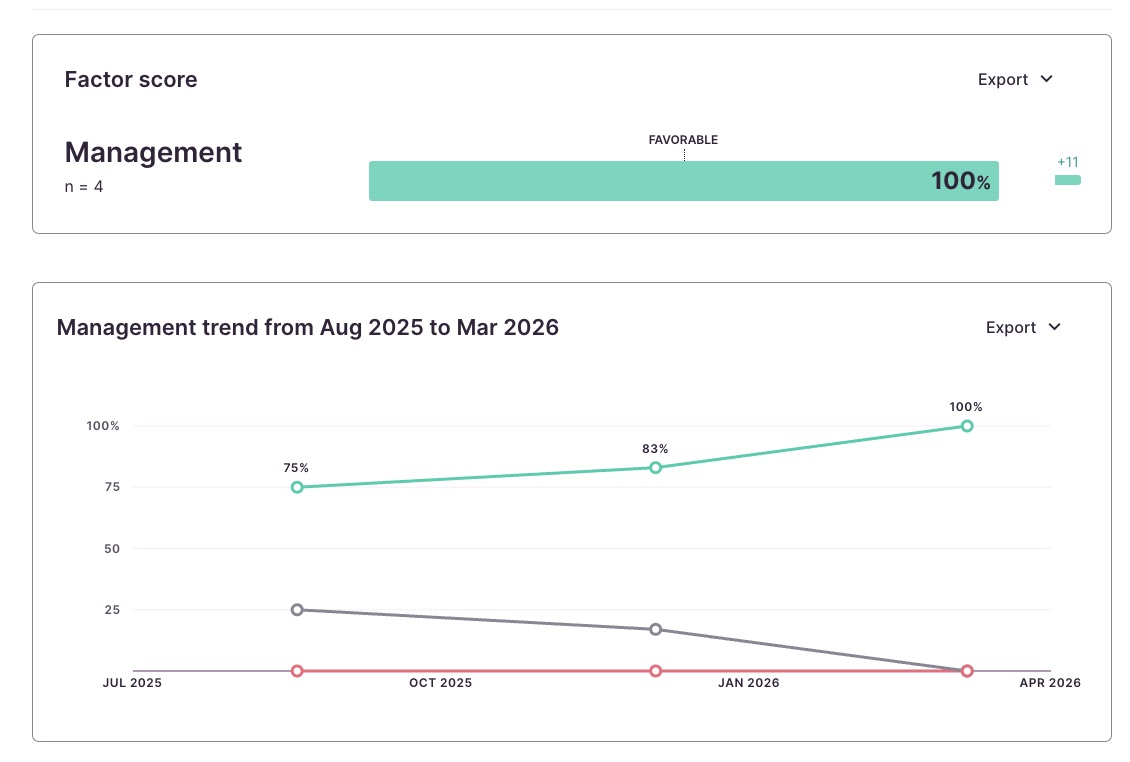
What Designers Say About Working With Me

I believe in creating environments where:

My goal is simple: I want the designers I work with to do the best work of their careers, grow in ways they didn't think possible, and look back on our time together as formative.

Looking Forward

I'm excited about opportunities to bring this leadership approach to organizations that:

If this resonates with how you think about design leadership, I'd love to connect.